The 'Natural' Label on Your Supplements Is Doing a Lot of Work — Maybe Too Much
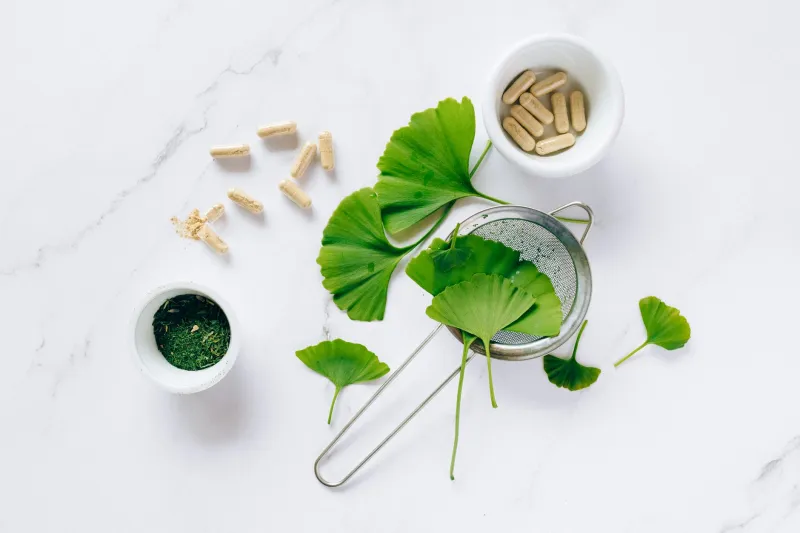
Walk through any supplement aisle — at a health food store, a big-box retailer, or browsing online — and you'll see the word "natural" plastered on roughly half the products you encounter. It's used as a badge of quality, a signal of purity, and an implicit promise that what's inside is somehow closer to how nature intended.
But here's the thing: in the supplement industry, "natural" is largely a marketing term with very little regulatory teeth. The FDA doesn't have a formal definition for it in the context of dietary supplements, which means brands can use it pretty liberally. And while plenty of plant-derived supplements are genuinely excellent, the assumption that natural automatically outperforms synthetic — in terms of what your body actually absorbs and uses — is one worth questioning hard.
What 'Natural' Actually Means on a Supplement Label
When a supplement is marketed as natural, it typically signals one of a few things: the active ingredient is derived from a plant or animal source rather than synthesized in a lab, the product contains no artificial colors or preservatives, or some combination of both. All of those can be legitimate selling points. But none of them tell you anything definitive about potency, bioavailability, or whether the active compound survived the extraction process in a form your body can actually use.
Botanical supplements in particular are subject to enormous variability. The concentration of active compounds in any given plant depends on where it was grown, the soil composition, the harvest timing, how it was dried and processed, and how it was stored before it reached you. A standardized extract addresses some of this by guaranteeing a minimum concentration of the key active compound — but not all plant-based supplements are standardized, and even among those that are, the standardization benchmarks vary widely across brands.
Compare that to a synthetic compound, which is produced under controlled conditions to precise specifications. The molecule is the molecule, batch after batch. That consistency has real value when you're trying to understand what a supplement is actually doing for you.
Where Synthetic Forms Genuinely Win
This is the part that surprises a lot of health-conscious consumers: for several key nutrients, the synthetic form is either equivalent to or meaningfully better than the plant-derived version in terms of how your body processes it.
Vitamin E is a good example. Natural vitamin E — d-alpha-tocopherol — does have a slight absorption advantage over the synthetic dl-alpha-tocopherol form. So far, so natural. But most high-quality research on vitamin E's health benefits was conducted using a mixture of tocopherol forms, and some scientists argue that isolating just alpha-tocopherol (whether natural or synthetic) misses the broader picture of how vitamin E works in the body. The "natural is better" story here is more complicated than the label implies.
Folate versus folic acid is a case where the synthetic form has actually outpaced its natural counterpart for a large portion of the population. Folate from food and many supplements requires conversion by an enzyme called MTHFR to become usable. Roughly 40% of Americans carry a genetic variant that impairs this conversion. For those people, methylfolate — a synthetic, pre-converted form — is dramatically more effective than the "natural" folate found in leafy greens or standard supplements. Choosing natural here isn't just less effective; for some people, it's genuinely inadequate.
Vitamin C is another nuanced case. Ascorbic acid — the synthetic form — is chemically identical to the vitamin C found in food. The bioflavonoids that naturally accompany vitamin C in whole foods do appear to enhance its activity, but when you're buying a "natural" vitamin C supplement made from acerola cherry or rose hip, you're often getting far less actual vitamin C per capsule than the label's milligram count suggests — because the plant material contains a lot of other compounds that take up space. A 500mg capsule of whole-food vitamin C might deliver 50-100mg of actual ascorbic acid. A 500mg ascorbic acid capsule delivers 500mg. That's a meaningful difference when you're trying to hit a therapeutic dose.
The Extraction Problem No One Talks About
For botanical supplements, the journey from plant to capsule involves extraction, concentration, and often drying — processes that can degrade or alter the very compounds you're paying for. Heat-sensitive phytonutrients like certain polyphenols and enzymes are particularly vulnerable. A supplement derived from a heat-processed extract may look impressive on paper but deliver a fraction of the biological activity of the original plant source.
This is why extraction method matters as much as the source itself. Cold-pressed, CO2-extracted, and water-extracted botanical ingredients tend to preserve more of the active compound profile than solvent-based or high-heat extraction processes. But again — none of this is communicated by the word "natural" on the front of the bottle. You have to dig into the supplement facts panel and, ideally, the brand's transparency documentation to know what you're actually getting.
A Smarter Way to Evaluate Your Supplements
Rather than defaulting to "natural equals better" or swinging to the opposite extreme of dismissing plant-based supplements entirely, the more useful question is: what form of this nutrient does the research actually support for my goal?
For some nutrients — like curcumin, which is notoriously difficult to absorb in standard form — the innovation has come from enhanced delivery systems (phospholipid complexes, nanoparticles, black pepper extract) that significantly boost bioavailability regardless of whether the curcumin itself is natural or synthetic. For others, like vitamin D3, both natural (lanolin-derived) and synthetic versions perform similarly, making price and third-party testing more important selection criteria than source.
As a HealthKart Club member, you have access to a curated range of products that have been evaluated beyond just their marketing language. Use that access to look past the front-of-label claims and into what's actually driving the formulation. Check the form of the active ingredient. Look for standardization percentages on botanical extracts. Prioritize third-party tested products where the label claims have been independently verified.
"Natural" can be a meaningful quality indicator — but only when it's backed by transparent sourcing, rigorous extraction standards, and honest potency claims. On its own, it's just a word. Make sure you're buying the supplement, not the story.