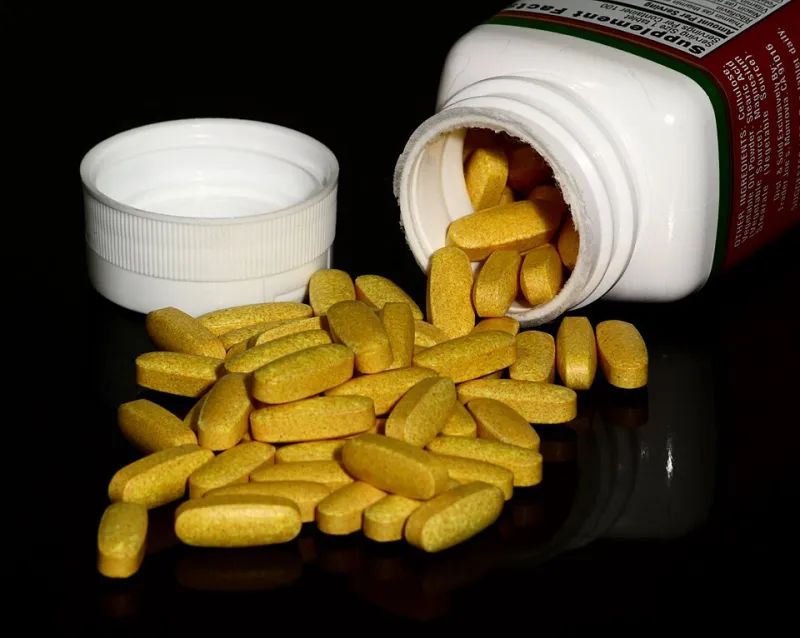
That Vitamin Bottle in the Back of Your Cabinet Might Be Lying to You

Photo by Photo by Haberdoedas on Unsplash on Unsplash
The Expiration Date Problem Nobody Talks About
Here's a scenario that plays out in medicine cabinets across America every single day: You reach past a half-empty bottle of fish oil you bought during a New Year's resolution push, notice the expiration date says it's technically still good for another six months, and figure you're in the clear. But what if the date stamped on that bottle tells only part of the story?
Supplement expiration dates aren't regulated the same way prescription medications are. The FDA doesn't require manufacturers to prove that a product remains fully potent through its entire stated shelf life — they just need to show it's not harmful. That's a meaningful distinction. A supplement can be completely safe to swallow and still deliver a fraction of the dose you think you're getting.
At HealthKart Club, we spend a lot of time helping members figure out which products are actually worth their money. And one of the sneakiest ways people lose value? Holding onto supplements long past their peak potency window.
How Degradation Actually Works
Think of supplement potency like a slow leak in a tire. You don't notice it happening in real time, but eventually the performance drops off in ways that matter. The culprits are mostly environmental: heat, humidity, light exposure, and oxidation are the four horsemen of supplement degradation.
Oil-based supplements are the most vulnerable. Fish oil, krill oil, and fat-soluble vitamins like A, D, E, and K are all prone to a process called lipid oxidation. When the fatty acids in these products break down, they don't just lose potency — they can actually form compounds that do more harm than good. That slightly fishy burp you get from an older omega-3 capsule? That's oxidation talking. Rancid fish oil is a real thing, and it's more common than most people realize.
Probiotics are another category that degrades surprisingly fast. Live bacterial cultures are, by definition, alive — and keeping them that way requires consistent refrigeration, moisture control, and protection from light. Many probiotic products lose a significant percentage of their colony-forming units (CFUs) well before the printed expiration date, especially if they've been stored at room temperature on a store shelf or in a warm bathroom cabinet.
Vitamin C is a water-soluble antioxidant, which means it actively neutralizes free radicals — including the ones it encounters inside its own bottle when exposed to air and moisture. Ascorbic acid can degrade quickly once a container is opened, particularly in humid environments. That giant tub of powdered vitamin C sitting open next to your sink? It's probably not as potent as it was on day one.
The Supplements That Hold Up Better
Not every product in your stack is equally fragile. Certain supplement forms are significantly more stable over time.
Mineral supplements — things like magnesium, zinc, and calcium — tend to hold their potency well because they're elemental compounds rather than complex organic molecules. They don't oxidize the same way fats do, and they're not temperature-sensitive like live cultures. A quality magnesium glycinate stored in a cool, dry place will likely still deliver close to its labeled dose a year or two after opening.
B vitamins are a mixed bag. B12, particularly in its cyanocobalamin form, is relatively stable. B1 (thiamine), however, is one of the more fragile water-soluble vitamins and can degrade faster under less-than-ideal storage conditions.
Creatine monohydrate is one of the most studied and shelf-stable sports supplements available. Stored dry and away from moisture, it can maintain potency for years. Same goes for most amino acid powders, provided they're kept sealed and dry.
Reading the Fine Print on Your Bottles
Manufacturers are required to include an expiration or best-by date on supplement labels, but they're not required to explain what that date actually means. Here's what to look for:
Manufactured date vs. expiration date. Some bottles list both. If you can find the manufactured date, it gives you a clearer picture of how old the product actually is, regardless of what the expiration window says. A bottle manufactured two years ago with a one-year shelf life is already past its prime, even if it technically hasn't expired yet.
Lot numbers. These are your best friend if you ever want to trace a product's history. Some manufacturers publish potency testing data by lot number on their websites. It's worth checking, especially for higher-cost supplements.
Opened vs. unopened. Shelf life testing is typically done on sealed, unopened products. Once you crack that lid and introduce air and ambient moisture, the clock starts moving faster. This is especially relevant for powders and gummies, which have more surface area exposed to air than capsules or tablets.
The Storage Mistakes That Speed Up Expiration
The bathroom cabinet is probably the worst place in your home to store supplements, despite being the most popular choice. Showers create steam, temperature swings happen constantly, and humidity levels in bathrooms regularly hit ranges that accelerate degradation.
The kitchen counter isn't much better. Heat from cooking and the natural temperature fluctuations near a stove or window can quietly wreck oil-based and probiotic supplements over time.
Your best bet? A cool, dry drawer or cabinet away from direct sunlight — think a bedroom nightstand or a pantry shelf. Probiotics and some omega-3 products genuinely benefit from refrigeration. If the label recommends it, take that seriously rather than treating it as optional.
When to Cut Your Losses
So what do you do with that three-year-old fish oil? Honestly? Toss it. The cost of continuing to take a degraded supplement isn't just the money you already spent — it's the opportunity cost of thinking you're covered when you're not.
For HealthKart Club members, one of the biggest wins of having a consistent supplement routine is buying the right amounts at the right intervals. Over-buying in bulk might feel like a deal, but it backfires if you can't get through a supply before potency drops off. Matching your purchase quantity to your actual consumption pace is one of those small habits that quietly makes a real difference over time.
Before you restock, do a quick audit of what you've already got. Check the dates, think about where things have been stored, and be honest with yourself about whether that bottle has been sitting around longer than it should. Your body deserves supplements that are actually doing the job — not just occupying space in your cabinet and making you feel like you've got your health dialed in.
Because there's a difference between taking supplements and taking supplements that work.