Your Supplements Might Be Working Against You — And Your Gut Is the Reason Why

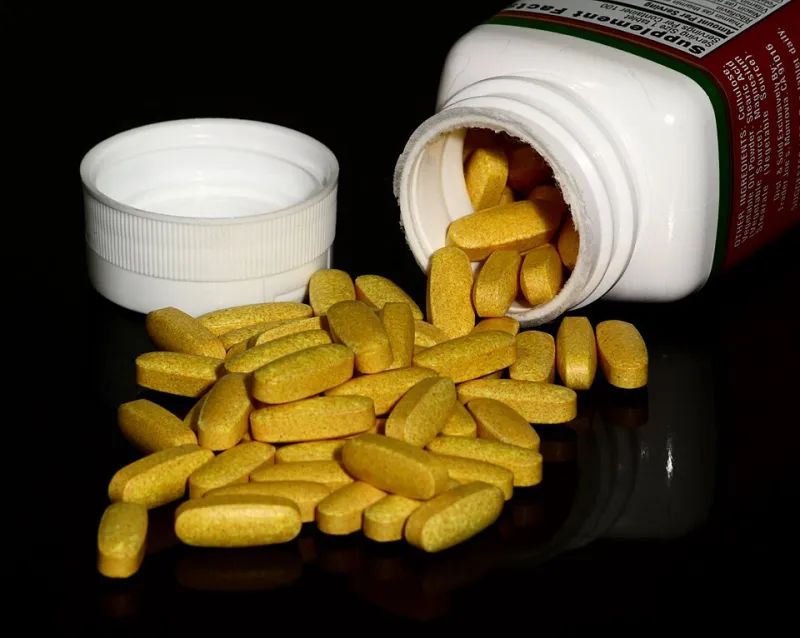
Photo by Photo by Steve A Johnson on Unsplash on Unsplash
Let's say you're doing everything right. You've researched your supplements, you're buying decent brands, and you're taking them consistently. But something still feels off — your energy isn't where you want it, your recovery is sluggish, and you're not sure you're getting much out of what you're spending. Sound familiar?
Here's a possibility most people never consider: the problem might not be your supplements at all. It might be your gut.
Digestive health is one of the most underrated variables in the entire supplement conversation. You can have the cleanest, most bioavailable form of magnesium or vitamin D on the market, but if your digestive system isn't set up to process and absorb it properly, a significant chunk of what you're swallowing is just passing through. Literally.
What "Absorption" Actually Means (And Why It's Complicated)
When we talk about a supplement being absorbed, we're really talking about a multi-step process. The capsule or tablet has to break down first. Then the nutrients need to be released, recognized, and transported across the lining of your small intestine into your bloodstream. From there, they have to reach the tissues where they're actually needed.
Every single one of those steps can go sideways — and often does.
Stomach acid is the first gatekeeper. A lot of people assume they have too much stomach acid (especially if they've ever dealt with heartburn), but the more common issue, particularly as we age, is actually low stomach acid — a condition called hypochlorhydria. Without adequate acid, minerals like iron, zinc, and calcium can't be properly ionized for absorption. Certain B vitamins also depend on an acidic stomach environment to be freed from food proteins. If your stomach isn't acidic enough, those nutrients move through largely intact and largely useless.
Then there are digestive enzymes. Your pancreas produces enzymes that break down fats, proteins, and carbohydrates. If enzyme production is compromised — which can happen due to chronic stress, a history of poor diet, or certain health conditions — fat-soluble vitamins like A, D, E, and K have a harder time getting absorbed. These are vitamins a huge portion of Americans are already deficient in. Poor enzyme activity just makes that worse.
The Intestinal Lining Problem Nobody Talks About
Your small intestine is lined with tiny finger-like projections called villi and microvilli. These dramatically increase the surface area available for nutrient absorption. When this lining is healthy, it's remarkably efficient. When it's compromised — due to inflammation, food sensitivities, antibiotic use, chronic stress, or alcohol consumption — absorption drops significantly.
You may have heard the term "leaky gut" floating around wellness circles. The clinical term is increased intestinal permeability, and while the research is still evolving, there's solid evidence that a disrupted gut lining affects how well nutrients are absorbed and how much inflammatory signaling happens in the body. It's not a fringe concept — it's a real physiological state that affects a meaningful portion of the population.
The frustrating irony? Many people dealing with gut permeability issues are the same people who've turned to supplements to compensate for symptoms like fatigue, brain fog, and poor recovery. Their gut health is actively undermining the very solution they're reaching for.
Signs Your Gut Might Be Costing You
You don't need a fancy test to start suspecting your digestive system isn't absorbing nutrients well. Some common signals include:
- Persistent fatigue despite adequate sleep and a reasonable supplement routine
- Bloating or gas after meals, particularly after eating fats or protein
- Floating or greasy stools (a classic sign of fat malabsorption)
- Nutrient deficiencies that don't respond to supplementation, even at higher doses
- Skin issues like dryness, breakouts, or slow wound healing
- Frequent illness, which can indicate immune dysfunction tied to gut health
None of these symptoms are definitive on their own, but if you're checking multiple boxes and also feel like your supplement stack isn't doing much, your gut deserves a closer look.
What You Can Actually Do About It
Here's the good news: optimizing your digestive environment for better absorption doesn't have to mean spending more money. A lot of the most effective strategies are about behavior and timing.
Slow down when you eat. Chewing thoroughly kickstarts the digestive process in ways most of us take for granted. Saliva contains enzymes that begin breaking down carbohydrates, and chewing mechanically prepares food for everything that follows. Eating fast and barely chewing is a surprisingly common contributor to poor nutrient breakdown.
Take fat-soluble supplements with your fattiest meal of the day. Vitamins A, D, E, and K need dietary fat present to be absorbed. Taking them on an empty stomach or with a fat-free meal is a simple but costly mistake.
Don't take calcium and iron at the same time. These two minerals compete for the same absorption pathways. If you're taking both, separate them by a few hours.
Be strategic about antacids. Regular use of proton pump inhibitors or antacids suppresses stomach acid, which can meaningfully reduce your ability to absorb certain nutrients. If you're using them frequently, it's worth talking to a doctor about the underlying cause rather than masking symptoms long-term.
Prioritize fiber from whole foods. A diverse gut microbiome supports better digestive function overall, and fiber feeds the beneficial bacteria that help maintain intestinal integrity. You don't need an elaborate gut health protocol — just more vegetables, legumes, and whole grains consistently.
Manage stress like it's a health priority, because it is. Chronic stress suppresses digestive enzyme production and increases gut permeability. If you're constantly running on cortisol, your digestive system is not operating at full capacity. No supplement stack compensates for that.
The Foundation Before the Stack
At HealthKart Club, we're big believers in getting more value out of what you're already doing before chasing the next product. And gut health is the clearest example of that philosophy in action. It's the foundation your entire supplement strategy sits on.
Before you add another item to your regimen or wonder whether you need a higher dose of something, it's worth asking whether your digestive system is actually equipped to handle what you're already taking. Because if it isn't, you're not just wasting supplements — you're wasting money.
Optimizing absorption doesn't require a total lifestyle overhaul. It requires paying attention to the basics: what you eat, when you take things, how much stress you're carrying, and whether your gut is getting the support it needs to do its job. Fix the foundation, and your existing stack might start working a lot better than you'd expect.