The Health Club Trap: Why Paying More for Wellness Is Often Making You Less Healthy

Let's be honest about something the wellness industry doesn't want you thinking too hard about: a lot of health memberships are built to make you feel like you're doing something without requiring you to actually do much at all.
This isn't a conspiracy. It's psychology — and it's incredibly effective.
The moment you swipe your card for a gym membership, a meditation app, or a monthly supplement subscription box, your brain logs a small but meaningful win. You made a health decision. You committed. You're the kind of person who invests in their wellbeing. That feeling is real, and it's also exactly where a lot of people stop.
The Membership Illusion
There's a well-documented psychological phenomenon called "licensing" — the tendency to reward yourself for virtuous behavior by relaxing the standards you hold yourself to elsewhere. Researchers have found that people who feel they've made a healthy choice (say, signing up for a gym) often unconsciously compensate by making less healthy choices in other areas. You bought the membership, so you deserve the extra slice.
The health club industry — gyms especially — actually depends on this. The average gym in the US has somewhere between 1,000 and 10,000 members. Most facilities can only physically accommodate a few hundred people at once. The business model only works if the majority of members don't show up. And they largely don't. Studies consistently show that roughly 67% of gym memberships go unused.
That's not a personal failing. That's a structural design.
Supplement Subscriptions: The Monthly Box Problem
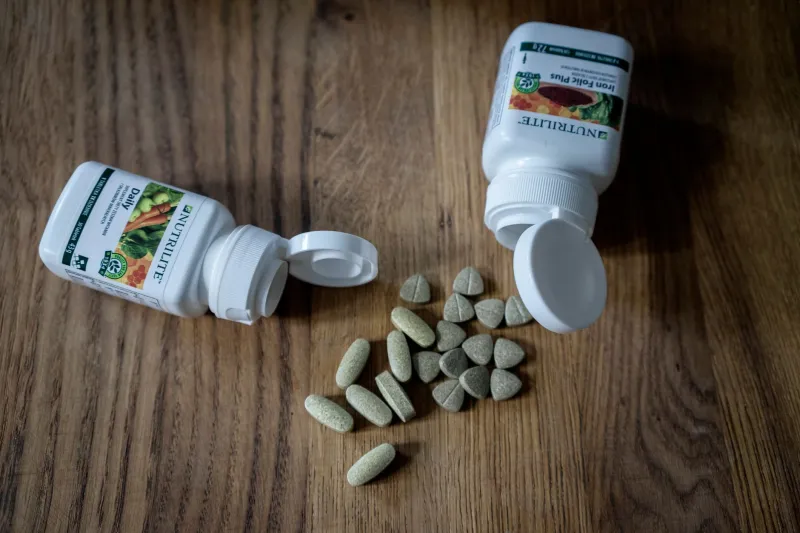
The same dynamic plays out in the supplement subscription space, just with more packaging. Monthly boxes that auto-ship whatever's trending — adaptogens this month, mushroom extracts next month — are great for discovery but terrible for intentionality.
When supplements arrive on autopilot, people take them on autopilot. There's no real assessment of whether what arrived is actually what your body needs right now. You just add it to the cabinet. And as we've written about before on HealthKart Club, a cabinet full of supplements isn't the same thing as a well-designed supplement strategy.
The problem with the subscription box model is that it substitutes novelty for results. Each new product feels like progress. But progress in health isn't measured in new bottles — it's measured in energy levels, body composition, bloodwork, and how you actually feel day to day.
Wellness Apps: The Notification That Replaced the Habit
Fitness and wellness apps have genuinely changed a lot of lives for the better. Tracking macros, logging workouts, meditating daily — these are real behaviors with real benefits. But app-based wellness has its own trap.
For many users, the app itself becomes the goal. Closing your rings. Maintaining your streak. Getting the badge. The metric becomes the mission, and when the app stops being fun — or when life interrupts the streak — the whole routine collapses. Because the habit was never really about health. It was about the gamification layer on top of it.
A 2022 survey found that the average American has three or more health and fitness apps on their phone. Most are opened fewer than five times before going dormant. Same story, different screen.
What Actually Works (And Why It's Less Glamorous)
Here's the uncomfortable truth: the most effective health strategies are boring. Consistent sleep. Adequate protein. Regular movement — even if it's just walking. Stress management. Drinking enough water. These are not things you need a membership to do.
What you do need is targeted, intentional support for the specific gaps in your personal health picture. And that's where a fundamentally different kind of membership model becomes genuinely valuable.
The HealthKart Club model is built on a different premise than the traditional health subscription. Rather than auto-shipping trending products or charging you for access to a facility you won't use, it's designed around discounted access to the specific supplements and fitness products you've identified as actually necessary for your goals. You're not paying for the feeling of health investment. You're paying for the actual products — at a lower cost than you'd find elsewhere — when you need them.
That distinction matters more than it might sound. When you're buying intentionally rather than subscribing passively, you stay engaged with what you're taking and why. You notice when something isn't working. You adjust. That active participation is, ironically, the thing most health memberships accidentally train you out of.
How to Audit Your Current Memberships
If you've got multiple health-related memberships running right now, take 10 minutes and do this:
List every recurring health charge on your bank statement. Gym, apps, supplement boxes, meal kit services — all of it. Add up the monthly total. For most Americans, this number is somewhere between $80 and $300 a month.
For each one, answer honestly: When did I last use this? Did using it produce a measurable health outcome? Would I pay for this again today if I were starting fresh?
Cut anything that fails that last question. Redirect that money toward intentional, targeted purchases — specific supplements you've researched, a piece of equipment you'll actually use, or a one-time consultation with a registered dietitian who can tell you what your stack should actually look like.
The Smarter Commitment
Real health commitment doesn't look like a stack of membership cards. It looks like knowing what you need, buying it at the best price, and actually using it consistently. That's a less exciting story to tell at a dinner party, but it's the one that actually moves the needle.
The wellness industry will keep selling you the feeling of being healthy. Your job is to stay focused on the reality of it — and to spend your health dollars accordingly.