Why Your Supplement Routine Has a Season Problem — And How to Fix It Before Winter Hits
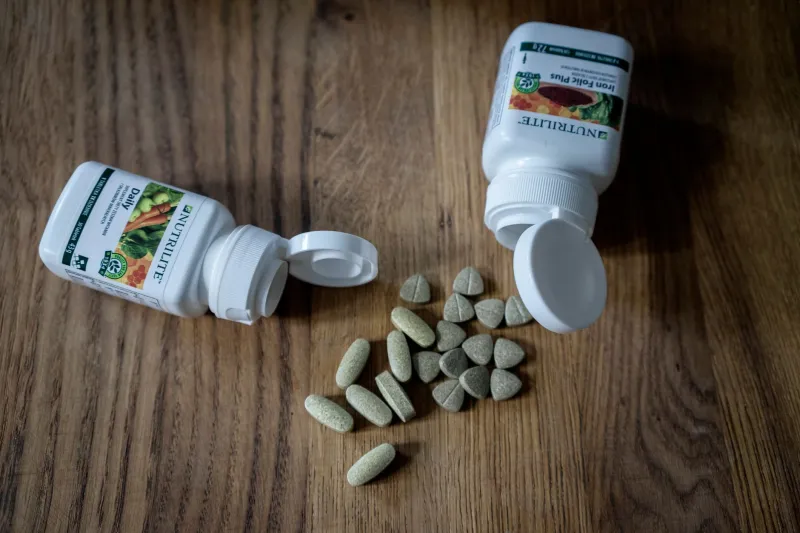
There's a version of supplement culture that treats your stack like a set-it-and-forget-it situation. You find what works, you order it on auto-ship, and you take it every morning without much thought. Consistent? Sure. Smart? Not really.
Your body isn't the same in July as it is in December. The amount of sunlight you're getting, the foods you're eating, how active you are, how much you're sweating, how your immune system is being challenged — all of it shifts dramatically across the seasons. And a supplement routine that doesn't account for those shifts is going to leave some pretty significant gaps.
If you've ever felt inexplicably run-down come November, or noticed your energy tanking by February despite taking the same supplements you've always taken, seasonal nutrient depletion is likely part of the story.
What Seasonal Change Actually Does to Your Nutritional Needs
Let's start with the most obvious one: Vitamin D.
In the US, most people below the 37th parallel (roughly a line from San Francisco to Richmond, Virginia) can synthesize adequate Vitamin D from sun exposure for most of the year. Everyone north of that line — think Chicago, New York, Seattle — is in a D-deficient danger zone from about October through April. During those months, the sun's angle is too low for UVB rays to trigger D synthesis in the skin, regardless of how much time you spend outside.
If you're taking the same Vitamin D dose in summer as winter, you're either under-supplementing in winter (when you're getting none from the sun) or over-supplementing in summer (when you're getting plenty). Neither is optimal.
But Vitamin D is just the beginning.
Summer: The Depletion Season You're Not Taking Seriously
Summer looks healthy. You're outside more, maybe eating more fresh produce, probably more active. But summer creates its own set of nutrient depletion patterns that most people miss entirely.
Electrolyte loss through sweat is the big one. If you're exercising outdoors in heat and humidity — which a huge portion of the country does from June through September — you're losing sodium, potassium, magnesium, and zinc at rates that your regular diet and supplement routine may not replace. Magnesium deficiency, in particular, is dramatically underdiagnosed, and summer heat accelerates its depletion through perspiration.
Increased oxidative stress is another summer-specific issue. More sun exposure and more intense physical activity both ramp up free radical production. Your antioxidant needs — Vitamin C, Vitamin E, selenium, CoQ10 — are genuinely higher in the summer months, especially if you're an outdoor athlete or you work outside.
B-vitamin demand also increases with activity level. B vitamins are central to energy metabolism, and when you're more active — hiking, running, playing recreational sports — your body burns through them faster. If your summer energy feels great in June and starts flagging by August, a B-complex adjustment might be worth considering.
Fall: The Transition Window Most People Miss
Fall is arguably the most important season to get your supplementation right, and it's the one people pay the least attention to. You're winding down summer activity, your sun exposure is dropping fast, and you're heading into a period of higher immune system stress (back-to-school, flu season, colder air).
This is the window where Vitamin D should be ramped up, where zinc and elderberry or other immune-supporting compounds become relevant, and where you should be evaluating whether your diet is still giving you the micronutrient density it was during summer's fresh produce season.
In most of the US, the variety and quality of locally available produce drops significantly from September onward. You're eating fewer tomatoes, berries, leafy greens, and stone fruits — all of which are nutrient-dense and support everything from cardiovascular health to skin integrity. That gap needs to be filled somewhere, and fall is the time to start filling it.
Winter: The Season That Exposes Everything You Got Wrong
Winter doesn't cause nutrient deficiency so much as it reveals the one that's been building since October. By January and February, people who haven't adjusted their supplement strategy for the seasonal shift are often running on empty — low D, depleted magnesium, compromised immune function, and the kind of low-grade fatigue that gets written off as "winter blues."
SAD (Seasonal Affective Disorder) affects an estimated 10 million Americans, and while it's a complex condition, Vitamin D deficiency and reduced omega-3 intake are meaningfully connected to its severity. Omega-3 fatty acids, particularly DHA and EPA, support brain function and mood regulation — and most Americans don't eat enough fatty fish to maintain adequate levels even in summer, let alone winter.
Winter is also when your immune system is working hardest. If you haven't been supporting it since fall, you're playing catch-up during the highest-demand period of the year.
The Quarterly Supplement Audit: A Framework That Actually Works
Here's a practical approach to aligning your stack with the season:
Q2 (April–June): Transition out of winter mode. Reduce or eliminate high-dose Vitamin D as sun exposure increases. Shift focus to antioxidants ahead of summer UV exposure. Add electrolyte support as activity ramps up.
Q3 (July–September): Optimize for activity and heat. Prioritize electrolytes (magnesium, potassium, sodium), increase antioxidant intake, and make sure B-vitamin levels are keeping pace with your activity demands. This is also a good time to get bloodwork done — summer is when your baseline nutrient levels should be at their best, so it's a useful benchmark.
Q4 (October–December): Build your immune and mood foundation. Increase Vitamin D (significantly if you're north of that 37th parallel), add zinc, consider an omega-3 upgrade, and look at adaptogens like ashwagandha if stress tends to spike during the holiday season.
Q1 (January–March): Maintain and monitor. This is the hardest season. Focus on consistency with your immune stack, keep Vitamin D and omega-3s front and center, and resist the urge to add new supplements without purpose. If you're exhausted, check your magnesium and iron levels before assuming you need something new.
Making Seasonal Adjustment Realistic
The honest challenge here is that seasonal supplementation requires more active management than most people want to do. That's why having a membership model that makes it easy to adjust your orders — adding what you need for the season, scaling back what you don't — is genuinely more valuable than a rigid auto-ship subscription that sends the same box every month regardless of the calendar.
At HealthKart Club, the goal is to make intentional supplementation accessible and affordable year-round. That means having the flexibility to shift your stack as your body's needs shift — not being locked into a one-size-fits-all routine that works great in one season and quietly fails you in the next.
Your body changes with the seasons. Your supplement strategy should too.