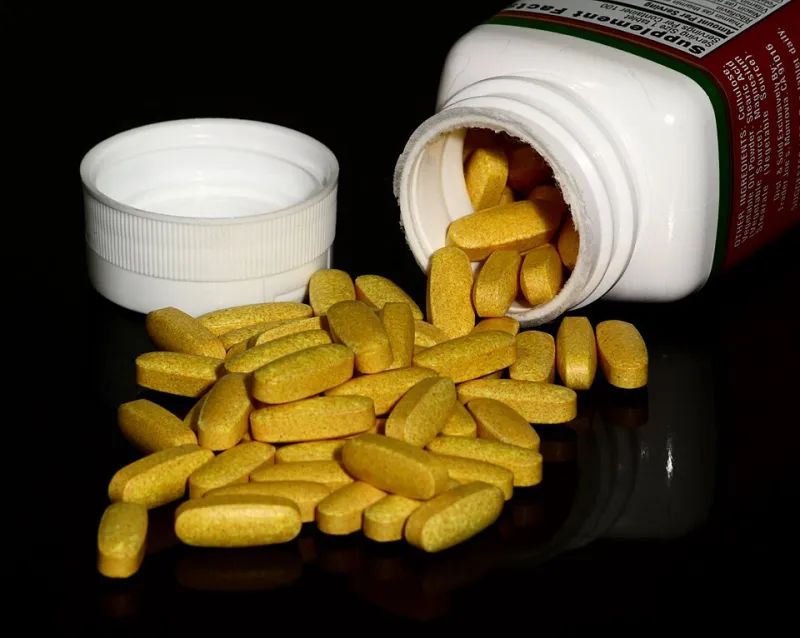
That Expiration Date on Your Supplements Is Probably Misleading You
You're doing a quick clean-out of your supplement cabinet — maybe inspired by that nagging sense that half those bottles have been sitting there since before your last gym membership lapsed — and you spot a protein powder with a date that's two months past. Into the trash it goes, right?
Not so fast. The expiration date stamped on your supplement bottle is doing a lot less work than you probably think. And once you understand what it actually means (and what it doesn't), you might start making smarter decisions about what to keep, what to replace, and where your money is really going.
What the FDA Actually Requires — And What It Doesn't
Here's something that surprises a lot of people: the FDA does not require dietary supplements to carry expiration dates at all. Unlike prescription drugs, which are subject to strict stability testing and shelf-life regulations, supplements operate under a different rulebook. The Dietary Supplement Health and Education Act of 1994 (DSHEA) governs most of what's on those shelves, and it leaves a lot of room for manufacturers to set their own standards.
When a company does include an expiration or 'best by' date, it's typically based on their own internal stability testing — or in some cases, just an industry standard estimate. The date is meant to indicate when the product is expected to remain at full labeled potency, not when it becomes unsafe to consume. That's a meaningful distinction that tends to get lost in the shuffle.
In short: a supplement that's past its date isn't necessarily bad. It might just be slightly less potent than when it was manufactured.
Potency Loss vs. Safety Risk — They're Not the Same Thing
This is where things get genuinely useful. Most supplements don't 'go bad' the way perishable food does. What typically happens over time is a gradual degradation in potency — the active compounds slowly break down, meaning you might get 85% of the labeled dose instead of 100%. For some supplements, that's barely noticeable. For others, it matters more.
Fat-soluble vitamins like A, D, E, and K tend to hold up reasonably well when stored properly. Water-soluble vitamins like C and the B-complex family are more vulnerable to degradation, especially when exposed to heat, light, or humidity. Probiotics are particularly sensitive — the live cultures can die off well before the printed date if the product hasn't been refrigerated or stored correctly.
Fish oil and other omega-3 products are a different story. These can actually go rancid, and rancid fish oil is both less effective and potentially harmful over time. If your fish oil smells more like a bait shop than the sea, that's your real expiration signal — not the date on the label.
The Storage Factor Most People Ignore
Here's the part of the conversation that supplement companies aren't exactly rushing to advertise: how you store a product has a bigger impact on its actual shelf life than the date on the bottle. A well-stored supplement can remain effective well past its printed expiration. A poorly stored one can degrade significantly before it ever hits that date.
The biggest culprits? Heat, light, and moisture. That means your bathroom cabinet — warm, steamy, and often hit by direct light — is just about the worst place you can keep your supplements. The kitchen counter next to the stove isn't much better.
Ideal storage for most supplements is a cool, dry, dark location. A dedicated drawer, a cabinet away from appliances, or even a small organizer in a climate-controlled room all work well. Some products, especially probiotics and certain liquid supplements, genuinely need refrigeration. Check the label, and actually follow those instructions.
How to Assess Whether a Supplement Is Still Worth Taking
So you've got a bottle that's technically expired. How do you know if it's still usable? A few practical checks go a long way:
Look at it. Discoloration, clumping, or unusual texture in powders and capsules can signal degradation. If a tablet has crumbled or a softgel has become sticky or discolored, that's a sign something has changed.
Smell it. This is especially important for fish oil, flaxseed oil, and similar products. An off or rancid odor is a clear indicator that oxidation has occurred.
Think about storage history. Has this bottle been sitting in a hot car, next to a sunny window, or in a humid bathroom for months? If so, assume it's degraded faster than usual regardless of what the label says.
Consider the supplement type. A multivitamin that's two months past its date and was stored in a cool, dark cabinet is probably fine — maybe slightly less potent, but not dangerous. A probiotic that's been unrefrigerated for six months past its date? The viable bacteria count may be negligible at that point.
The Money Side of This Equation
At HealthKart Club, we're always thinking about how to help members get real value from their supplement investments. And the expiration date confusion is genuinely costing people money — in two directions.
Some folks toss perfectly usable supplements the moment they hit the printed date, buying replacements they don't need yet. Others hold on to products that have genuinely degraded because they're reluctant to waste money. Both habits lead to the same outcome: you're not getting what you paid for.
The smarter approach is to buy supplements in quantities you'll actually use within a reasonable timeframe, store them properly from day one, and use your senses alongside the label when evaluating whether something is still effective. A large bulk purchase might seem like a deal, but if it sits for two years and loses 30% of its potency, the math doesn't work in your favor.
A Few Products Worth Watching More Closely
Not all supplements age the same way. If you're going to be more vigilant about anything in your cabinet, pay extra attention to:
- Probiotics — potency drops fast without proper refrigeration
- Fish oil and omega-3s — oxidation is a real concern; always smell before you swallow
- Vitamin C — degrades more quickly than most people realize
- Pre-workout formulas — the stimulant compounds can lose effectiveness and the flavor/texture often signals degradation clearly
- Liquid supplements — generally have shorter actual shelf lives than capsules or tablets
The Bottom Line
Expiration dates on supplements are a starting point, not the final word. They reflect estimated potency timelines under ideal conditions — and conditions are rarely ideal. Understanding what actually drives degradation, storing your supplements correctly, and using a few simple sensory checks will tell you far more about a product's real-world effectiveness than a printed date ever could.
Being a smart supplement consumer isn't just about knowing what to take — it's about knowing when what you're taking is actually still working for you.